
Knowing the right time to repaint is essential if you want your vehicles to look smart and stay protected. Fresh vehicle paint helps your fleet look professional and can also extend the life of every vehicle by guarding it against damage from the weather, rust and everyday use.
Repainting is not only about looks. It is also about protection, durability and vehicle maintenance. By understanding the main factors that affect repainting, such as climate, type of paint, and how often the vehicle works, you can plan ahead and avoid bigger repairs in the long run.
When people search online for commercial vehicle painting services, many websites use cookies to remember their settings and show more relevant adverts. This online search is often the first step to finding a high quality paint job that will protect your vehicles for years.
What is a Commercial Vehicle?
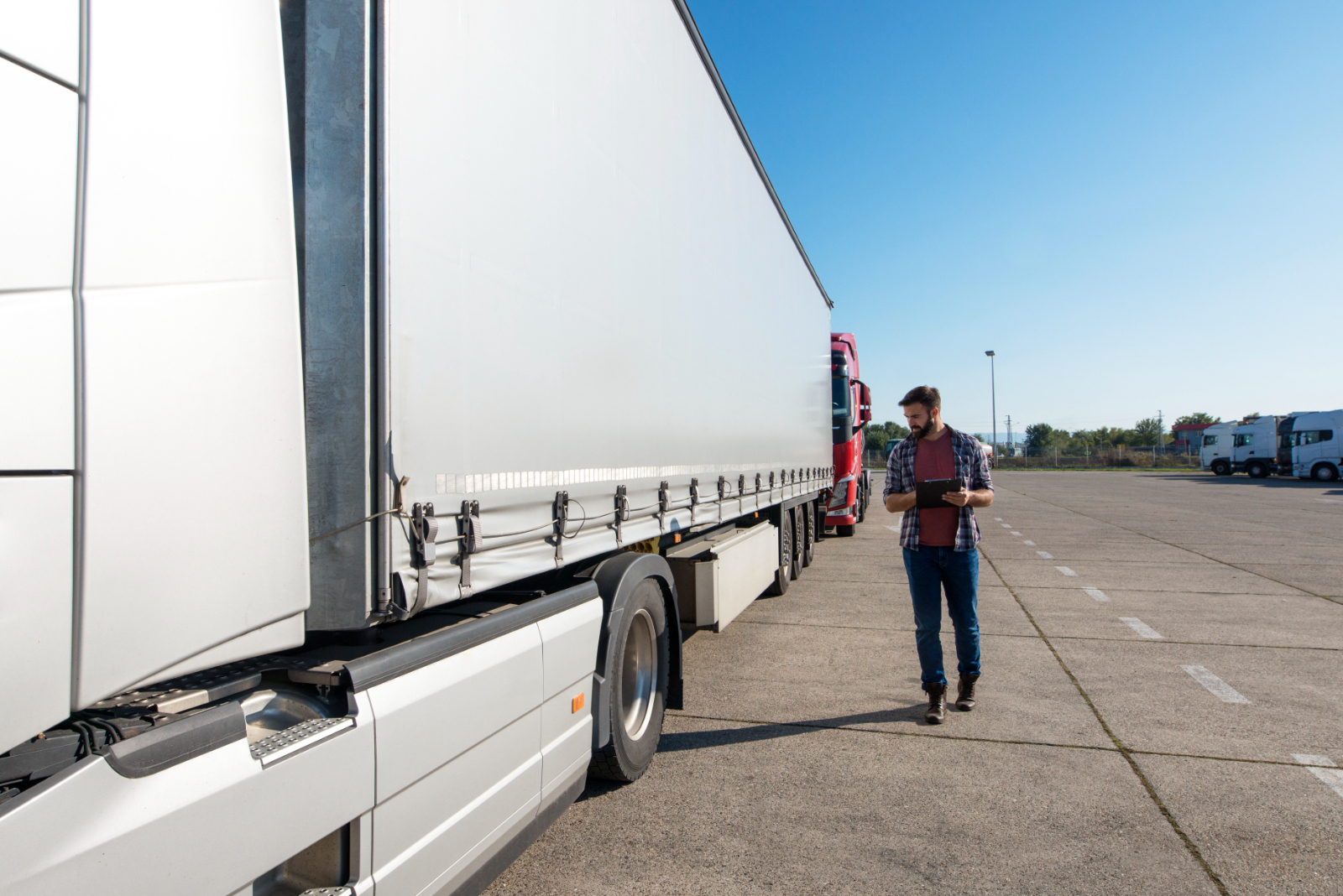
A commercial vehicle is a motorised road vehicle used mainly for business rather than personal trips. It is designed and built for the carriage of goods or paying passengers. This covers a wide range of vehicles, from large lorries and trucks to smaller vans and even some types of car used only for work.
Commercial vehicles are grouped into classes depending on their weight, purpose and design. Some are goods vehicles, used to move stock and equipment. Others are public service vehicles, such as buses and coaches that carry passengers. There are also special vehicles, such as agricultural machines or cranes and similar equipment.
Whether you run one delivery van for a local shop or a full fleet of trucks across the country, they are all classed as commercial vehicles. Keeping these vehicles in good condition is important for safety, for your brand image and for their resale value.
Why Repainting A Commercial Vehicle Is Essential
Appearance
Repainting a vehicle, especially a commercial one, has many benefits. A fresh coat of paint can change the whole look of your vehicle, making it clean, bright and professional. This helps create a strong first impression for your customers and shows that Judd Paint Solutions Ltd takes pride in its work. Well cared for commercial vehicles act as moving adverts. When your vans and lorries drive through towns and sit outside jobs, they display your brand to everyone who sees them. A high quality finish on the paint makes your logo, colours and contact details stand out clearly.
Resale Value
Repainting can also raise the resale value of the vehicle. A vehicle with smooth, even paint and no peeling, rust spots or deep scratches usually sells for more money than one with old, dull or damaged paintwork. Buyers link a neat paint job to careful vehicle maintenance and are more willing to pay a higher price. When you plan to sell or replace part of your fleet after a few years, investing in a new coat of paint first can help you recover more of the vehicle’s cost. In this way, repainting can pay for itself over the lifespan of the vehicle.
Reduced Need for Repairs
Quality paint does more than look good. It also provides a barrier between the metal surface of the vehicle and the outside elements. This layer of protection helps prevent rust and corrosion caused by moisture, road salt, stone chips, sunlight and pollution. If you keep the paint in good condition, you reduce the risk of more serious bodywork damage. This can mean fewer structural repairs, fewer panel replacements and fewer hours off the road. In the long run, repainting is an important part of the steps you take to protect your vehicles and ensure they last longer.
How Paint Protects Your Vehicle
On most modern commercial vehicles, the paint system has several layers. There is usually a primer, a colour coat of paint and a clear coat on top. Together, these create a tough shell that helps:
protect metal from water and salt, which can cause rust
shield the surface from sunlight, which can cause fading and peeling
resist minor scratches and chips from stones and debris
When this system is kept in good condition, it can provide strong corrosion protection for many years. If the clear coat becomes thin or damaged, the colour coat and primer are exposed. Over time, this leads to dull patches, stains and then rust.
This is why it is important to repair chips quickly. Even a small chip can allow water to get under the surrounding paint. If left alone, a tiny mark can grow into a larger patch of corrosion that is harder and more costly to fix.
How Long Does Commercial Vehicle Repainting Take?
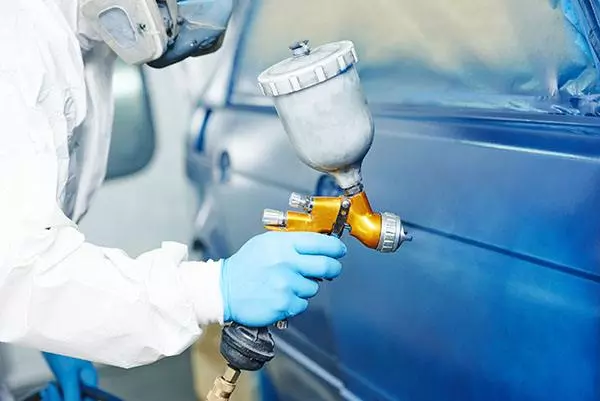
The time needed to repaint a commercial vehicle depends on several factors. The size of the vehicle, its current condition, the type of paint and products used and the level of finish you require all affect the schedule.
A small van with light wear might take around one to two weeks for a full paint job. Larger commercial vehicles, such as lorries or trucks with long bodies and complex surfaces, may need three weeks or even longer.
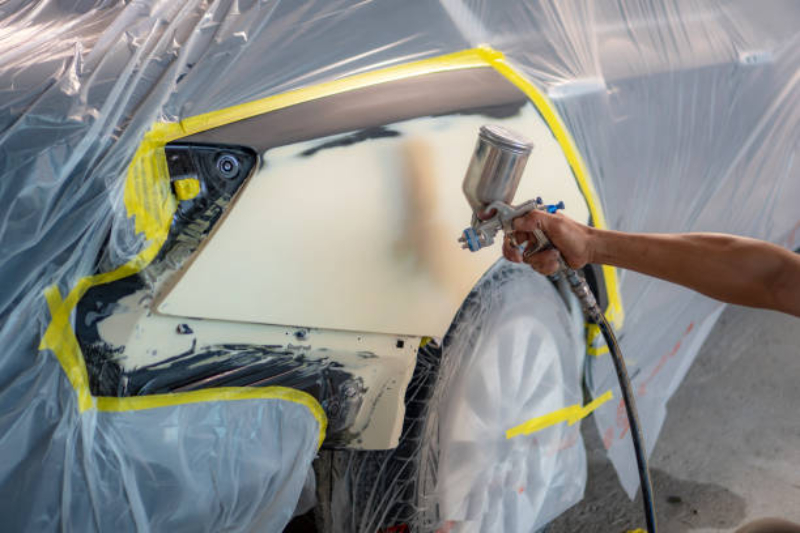
Before painting starts, the body shop must prepare the surface. Typical steps include washing, degreasing, sanding, filling deeper scratches, treating rust, masking trim and applying primer. These steps are essential to create a smooth base and to ensure the new paint bonds properly.
Each coat of paint and clear coat needs time to dry or cure before the next one is applied. Depending on the products and the workshop’s experience, this can take many hours. Harsh weather, very low temperatures or unexpected repairs can also add time to the work.
Because of these factors, it is wise to allow at least a couple of weeks for a standard repaint. If your vehicle has heavy damage, widespread rust or you want a complete colour change, you should plan for a longer period.

How Many Years Does Vehicle Paint Last?
The lifespan of vehicle paint can vary a lot. With good care and normal use, many commercial vehicle paint systems last between five and ten years. Some may last longer if they are protected from harsh weather and kept clean. Several factors can shorten or extend the life of paint, including:
Climate and sunlight: Strong sunlight and heat can speed up fading and make the paint dry out. In colder regions, ice, snow and road salt can attack the surface and lead to rust if the clear coat is damaged.
Type and quality of paint: High quality paints and protective coatings usually offer better durability and protection than cheaper products.
How the vehicle is used: Vehicles that spend long hours on the road, such as delivery vans and trucks, are exposed to more chips, scratches and dirt than vehicles that only move a few times a week.
Regular cleaning and waxing will help extend the life of the paint. Use gentle car shampoo and avoid harsh chemicals that can strip the clear coat or dull the finish. If possible, park in a garage or under cover to protect the vehicle from strong sunlight and rain. When bird droppings, tree sap, fuel spills or road tar land on the paint, clean them off quickly. If they stay on the surface for a long time, they can stain or burn through the clear coat and colour.
How Often Should I Repaint A Commercial Vehicle?
There is no single rule for every vehicle. The right time for repainting depends on a mix of factors, including:
how many years the vehicle has been in service
how often it is used and how far it travels
the climate and road conditions it faces each day
the type of work it does and how often the body is loaded, unloaded or scraped
As a general guide, many businesses look at repainting their commercial vehicles every five years. This helps ensure the vehicles keep a smart, consistent look and stay protected against the elements.
Vehicles that work in harsh weather, coastal areas with salt in the air, or on rough, dirty roads often need repainting more often. Those kept in mild climates or used less heavily may go longer between full paint jobs, especially if minor chips and scratches are repaired quickly.
Regular repainting and touch-ups can extend the life of the vehicle, keep rust at bay and support a strong brand image. Investing in paint at sensible intervals is an important form of vehicle maintenance that protects your fleet in the long run.
Does My Commercial Vehicle Need Painting?
To understand whether your vehicle needs repainting now or can wait a few more years, think about three main areas.
Usage intensity: How hard does the vehicle work? A van or truck that covers long distances every day, visits building sites and carries heavy loads will usually show wear on its paint sooner than a vehicle that only makes short, local trips. Daily routes expose the surface to more chips, scratches and grime.
Environmental conditions: The environment has a strong effect on paint durability. Vehicles that face extreme temperatures, strong sunlight, frequent rain, snow, salt or industrial pollution will often suffer faster fading, cracking and peeling. Road salt used in winter and salty sea air in coastal regions can speed up corrosion if the paint is damaged.

Business image and branding: The outside of your vehicle is part of your brand. If the paint looks old, patchy or dirty, it can send the wrong message to customers. For some businesses, such as delivery services, building firms or any company that works in public areas, keeping vehicles looking clean and modern is very important. A new coat of paint can help create a clear, strong brand across your whole fleet and reassure clients about the quality of your work.
Signs It Is Time To Repaint Your Commercial Vehicle
Even with careful maintenance, there comes a time when repainting is the best option. Here are some clear signs to look for during regular checks.
Fading and dullness:
Look closely at the surface, especially on the bonnet, roof and other flat panels that face the sky. If the colour looks washed out or patchy, the paint may have lost much of its original thickness. Fading is a sign of long-term exposure to sunlight and the elements and often means the clear coat is starting to fail.
Peeling and cracking:
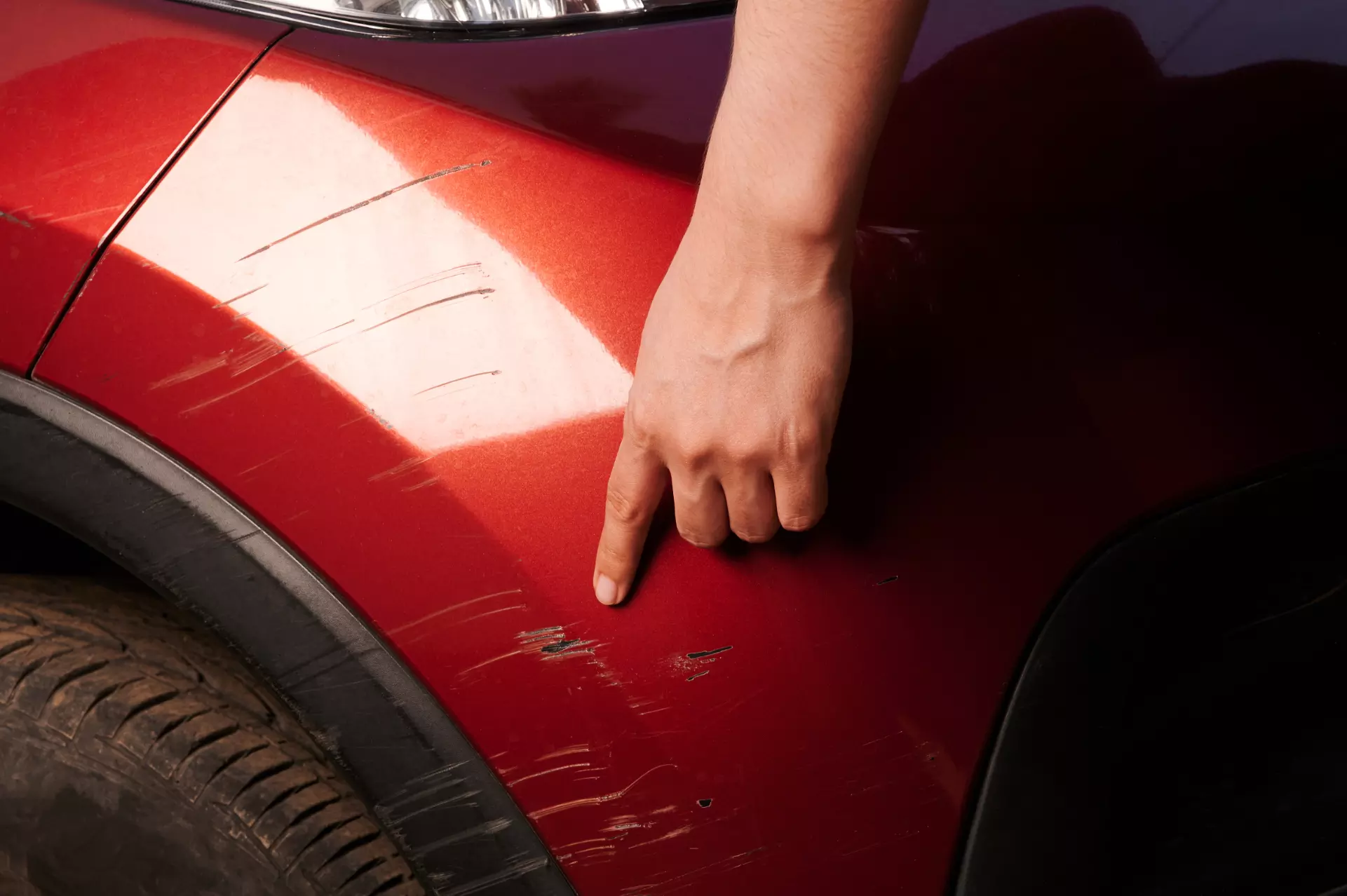
If you see areas where the paint is lifting, bubbling, peeling or cracking away from the surface, this is a strong warning. These defects allow water and dirt to get under the remaining paint, which can quickly lead to rust and wider damage. Peeling often cannot be fixed with small touch-ups. In many cases, the affected panels need to be sanded back and repainted.
Rust and corrosion:
Rust spots show that the protective paint layers are no longer doing their job. Even small rust patches should be treated quickly. If rust is allowed to spread, it can eat through the metal and weaken the structure of the vehicle. Repainting after proper rust repairs will seal and protect the surface again.
Heavy chips and scratches:
Stone chips along the front bumper, bonnet and wheel arches are common on working vehicles. Light chips can sometimes be repaired with small repairs or local painting. However, if you see many deep chips that go through to the metal, or long scratches along the sides from loading and unloading, a fuller repaint may be more cost-effective.
By acting when you see these signs, you can protect the vehicle’s body, maintain its resale value and keep your fleet looking smart and consistent.
How To Extend The Life Of Your Paint Job
Repainting is a big investment, so it makes sense to protect that new finish for as long as possible. Simple daily and weekly habits can extend the life of the paint and delay the need for another full repaint.
Wash your vehicles regularly with gentle car shampoo and soft cloths or brushes. This removes road salt, grime and chemicals that can eat into the paint if left too long. Avoid strong detergents or harsh chemicals not designed for automotive use, as these can strip wax and dull the clear coat.
Apply wax or another protective coating several times a year, depending on the type of product. These coatings create an extra barrier against rain, sunlight and dirt. Some coatings are designed especially for commercial fleets and can provide extra durability.
Try to park vehicles under cover when possible. Shade protects the paint from constant sunlight and heat, and covered parking also shelters vehicles from heavy rain and hail.
Inspect your vehicles for chips and scratches as part of your normal vehicle maintenance checks. When you spot damage, arrange small repairs quickly. This simple step can prevent minor marks from turning into rust patches that later need larger repairs and repainting.
Choosing The Right Paint And Finish
The type of paint and finish you choose has a big effect on the durability, look and lifespan of the coating. A professional body shop with experience in commercial vehicles can explain the best options for your fleet.
High quality paint systems often include a strong primer, a colour coat and a tough clear coat. Together they provide good protection against the elements, stone chips and normal wear. Cheaper paints may cost less to apply, but they might not last as long or offer the same level of protection.
You may also want to look at extra protective coatings for areas that face more damage, such as bumpers, sills and loading edges. These can help reduce chips and scratches when staff load and unload heavy items.
When you choose a paint system, think about:
the typical climate and road conditions your vehicles face
how often the vehicles are used
how long you plan to keep each vehicle before selling it
the finish you want, for example gloss or satin, to match your brand look
Spending a little more on strong, durable products can save money over the years by reducing the need for frequent repainting and body repairs.
Planning Repainting Across Your Fleet
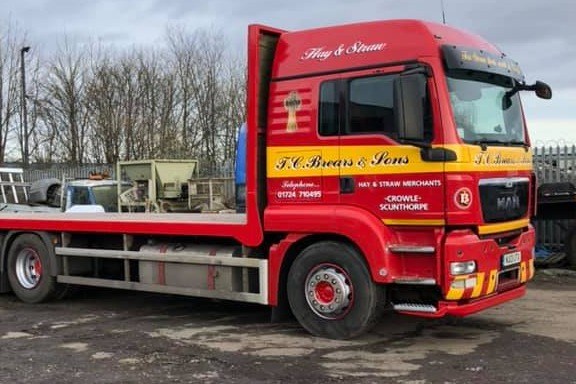
For businesses with a fleet of commercial vehicles, repainting is not just a one-off job. It is a planned part of the vehicle’s life. Good planning will help you manage cost and downtime. Start by mapping out the age and condition of each vehicle in your fleet.
You can then create a schedule to repaint a few vehicles each year, instead of waiting until many need work at the same time. This helps spread costs and ensures you always have enough vehicles on the road.
Repainting is also a good time to update branding. You might want to refresh colours, improve logo placement or add new contact details and digital channels. A new paint scheme can create a modern look for Judd Paint Solutions Ltd and help your fleet stand out.
Professional Repainting Versus DIY
Some small repairs can be handled in-house, such as cleaning, polishing and very small touch-ups. However, full repainting of commercial vehicles is complex work. It needs the right tools, controlled conditions and skilled staff.
Professional painters know how to prepare the surface properly, which steps are essential and which products will give the best results for your vehicles. They also understand how different factors, such as humidity and temperature, affect the finish. Trying to repaint a full vehicle without this knowledge can lead to poor coverage, runs, dust in the paint and early peeling.
In the end, this may cost more, as the vehicle might need to be stripped and painted again. Working with a trusted paint shop gives you confidence that the finish will look good, protect the vehicle and last for many years.
Summary: Using Repainting To Protect Your Investment
Repainting commercial vehicles is not just about keeping them looking smart. It is an essential part of protecting the metal beneath, preventing rust and corrosion, and helping to extend the life of your fleet.
By understanding the key factors that affect repainting frequency, watching for signs of fading, peeling, chips and rust, and choosing high quality paints and protective coatings, you can keep your vehicles in strong condition for longer.
In return, you gain better resale value, fewer repairs, a longer lifespan for each vehicle and a professional image for Judd Paint Solutions Ltd. With careful planning and regular maintenance, a fresh coat of paint becomes a smart, long-term investment in the future of your vehicles.
Contact us today on 07931 699968 for trusted commercial vehicle painters in Doncaster and Scunthorpe . We are your first choice for commercial vehicle repainting services.