
When should you consider sandblasting your car? Learn how sandblasting can strip rust and paint efficiently, safeguarding your vehicle’s longevity and enhancing its appearance.
Heavy Rust Has Built Up on the Bodywork
Rust is one of the biggest threats to a vehicle’s structure. If your car or van has patches of heavy rust, especially around the wheel arches, sills or undercarriage, sandblasting may be the right solution. Over time, surface rust can eat through paint and metal, leading to holes and weakened panels.
Sandblasting strips away these layers of corrosion quickly and effectively, leaving a clean surface behind. This helps prepare the area for repair, treatment, and repainting. It exposes corrosion for assessment, but lost metal strength requires appropriate repairs. Acting early can prevent more costly damage and help keep your vehicle in better condition for longer.
Old Paint Needs to Be Fully Removed
When repainting a vehicle, it’s important to start with a clean, smooth surface. If your car or van has several layers of old paint, filler, or primer, these can get in the way of a proper respray.
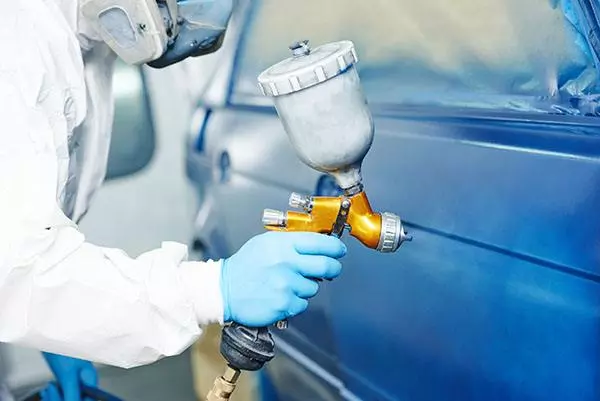
Cracked, peeling or thick paint can make new coats less effective, leading to poor finishes and shorter lifespans. Sandblasting is an ideal method for removing all existing paint quickly and evenly. It clears away everything down to the bare metal, making sure the new paint will stick properly.

This is especially useful if you're changing the colour of the vehicle or switching from standard finishes to something more custom. It ensures there’s no hidden damage or rough areas underneath that could ruin the final look.
Sandblasting is also a good way to deal with surfaces that have been painted over badly in the past. Rather than sanding by hand, which takes time and may not reach every spot, sandblasting gets into corners, curves and joints. This means you get a better base for a long-lasting, professional finish.
You’re Starting a Full Vehicle Restoration
If you’re taking on a full restoration project, sandblasting is one of the first steps to consider. Classic cars and older vans often have hidden rust, layers of old paint, and grime that’s built up over time.
Sandblasting gets right back to bare metal, exposing any issues that need fixing. It’s a fast and thorough way to get everything cleaned up before you begin repairs, welding, or respraying. For restoration jobs, it helps make sure no problem areas are missed, giving you a solid base to build from.
The Vehicle Has Been Left Standing for Years
Cars or vans left unused for long periods often suffer from a build-up of rust, dirt and weather damage. This is especially common with vehicles stored outdoors, where rain, sun and debris can all take a toll.
Even vehicles kept indoors for years may have corroded underneath or been affected by damp conditions.
If you're bringing one of these vehicles back into use, sandblasting is an excellent way to remove all surface problems. It strips away rust, old sealants, flaking paint and dirt that’s worked its way into seams and corners.

Unlike washing or chemical stripping, sandblasting gets into all the small areas where decay can hide. This means the whole vehicle can be properly assessed for damage and repaired safely.
It also makes it easier to prepare for repainting, rust protection or modifications. Starting with a clean surface helps avoid future issues and gives you a clearer idea of what work needs doing.
If the vehicle is a barn find, or has been sitting untouched on a driveway or in a garage, sandblasting may be the best way to bring it back to life.
You’ve Spotted Paint Bubbling or Flaking
Bubbling or flaking paint is often a sign of rust underneath. Moisture can get trapped between layers of paint and metal, slowly causing corrosion. Once this starts, it’s only a matter of time before the surface fails.
If you see bubbling, it usually means the damage has spread below the paint. Sandblasting can remove both the damaged paint and any rust beneath it. This helps stop the problem before it gets worse. It also gives you a fresh base for new paint, so the issue won’t come back soon after repainting.
Vehicle Age Is a Reason to Inspect
UK licensed cars averaged 10 years old at the end of 2025, compared with 9 years in 2020, according to DfT figures published in April 2026. Age alone does not show that a car needs blasting: inspection of its coating and metal condition is more useful. Source: DfT vehicle licensing statistics, Table 4.
Ask a restorer to distinguish surface corrosion from deep pitting and perforation. Blasting exposes metal for assessment but cannot replace lost thickness or restore structural strength. Where corrosion affects load-bearing areas, establish the repair scope before paying for the cosmetic finish.
When Another Stripping Method May Suit Better
Thin outer panels, aluminium parts, plastic trim and sound original coatings need different treatment. Blasting a complete assembled car is not a default requirement for repainting. A specialist may recommend local stripping, controlled sanding or a combination of methods depending on the substrate.
Agree a test area before the main work. Pressure, media, nozzle distance and exposure time must be considered together. No single abrasive or pressure setting suits every panel, and wet blasting does not eliminate the risk of distortion or trapped residue.
Questions to Ask Before Authorising Blasting
Request a written scope identifying what will be stripped, which components will be removed or protected, and how the exposed metal will be inspected. Ask how seams and cavities will be cleared of abrasive and how additional corrosion repairs will be quoted.
The term sandblasting commonly means abrasive blasting; it is not a recommendation to use sand. HSE abrasive-blasting guidance explicitly says not to use sand. Media selection, old-coating dust and exposure controls need assessment. Agree the repair and protective-primer stages before stripping begins.
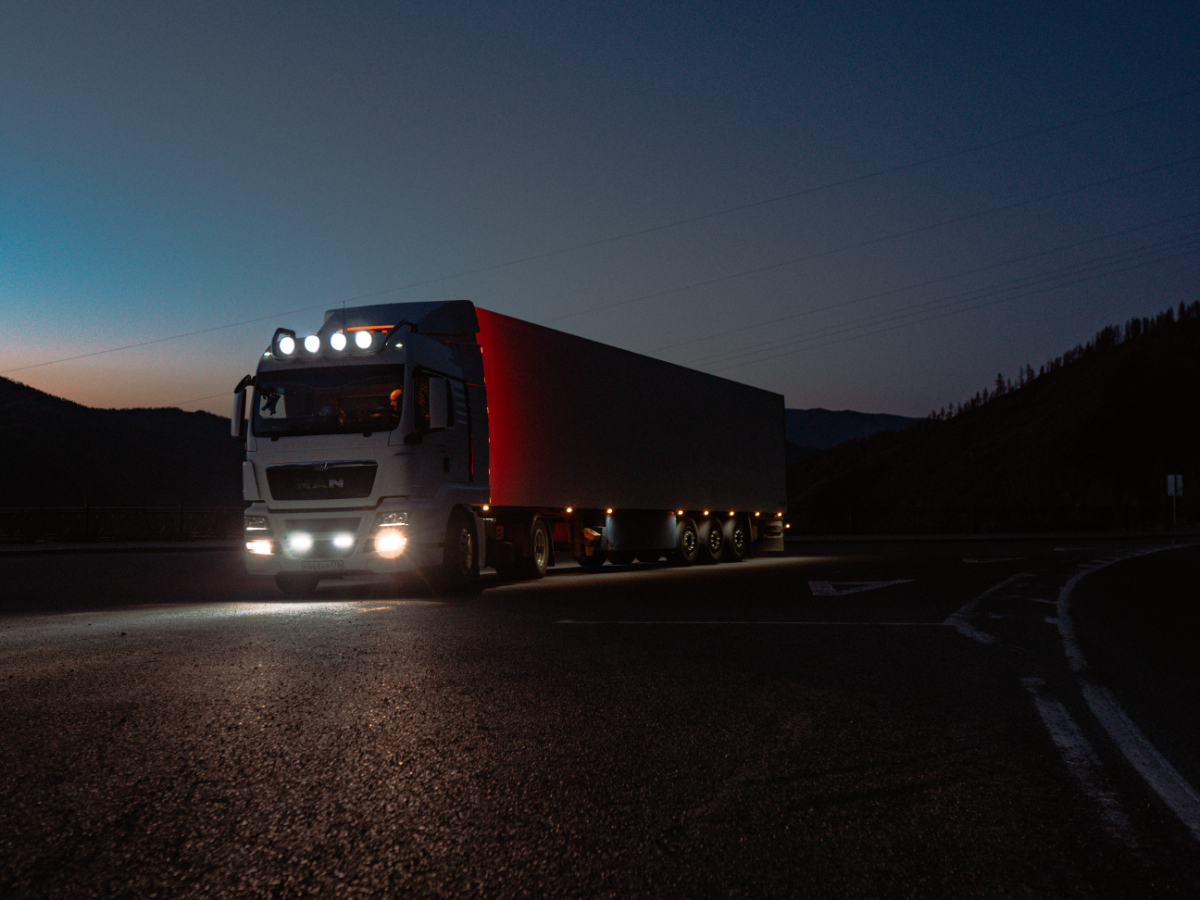
If you manage a commercial fleet, you may experience one of these common types of truck accidents. Following an accident, you will need a professional team for your HGV spray painting and sand blasting. For automotive sand blasting in Doncaster and Scunthorpe, follow the link below.