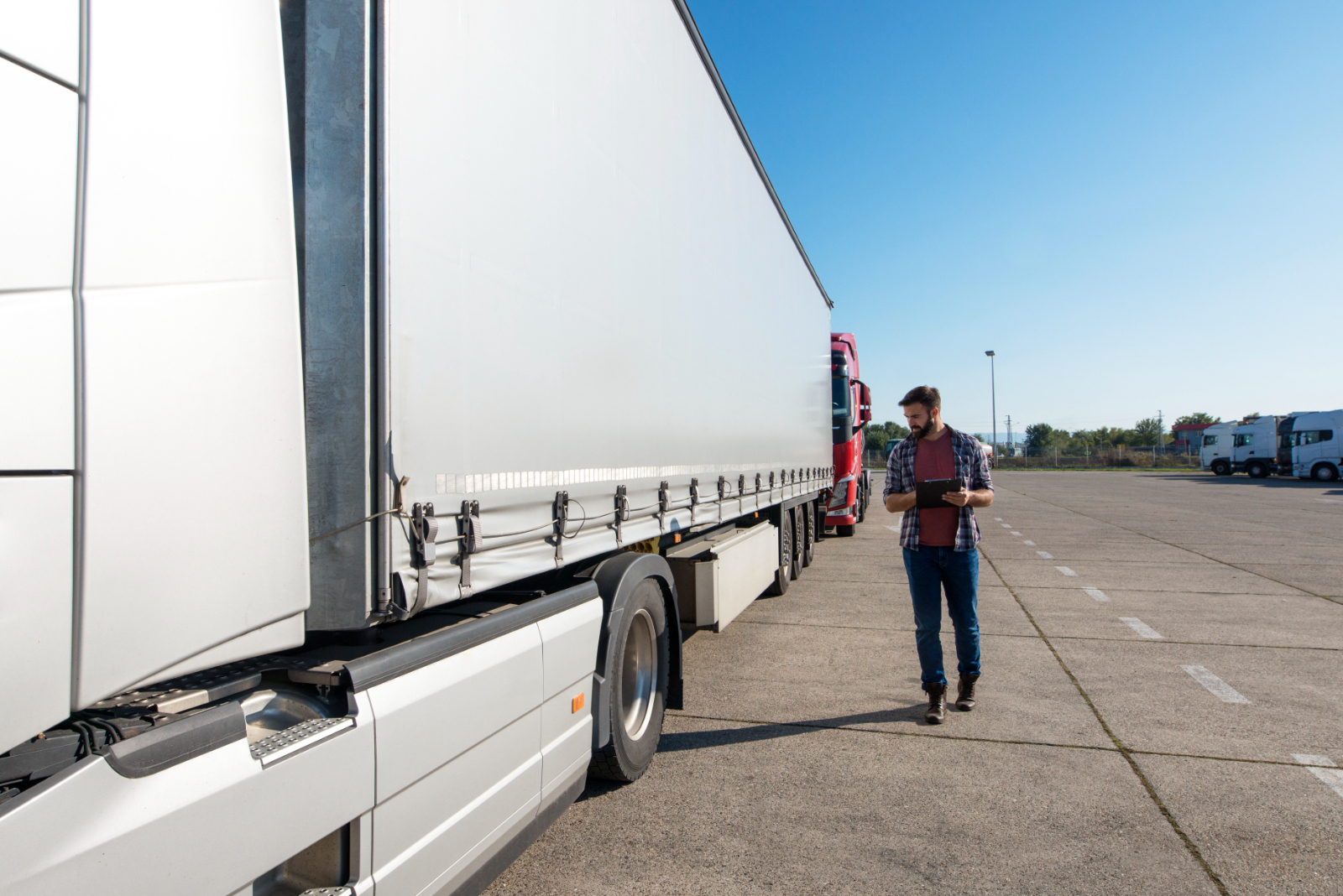
Have you asked: when does a vehicle require shot blasting? Judd Paint Solutions provide vehicle shot blasting in Doncaster and Scunthorpe. This article looks at when shot blasting is done and the difference between shot blasting and sandblasting.
Have you asked: when does a vehicle require shot blasting? Judd Paint Solutions provide vehicle shot blasting in Doncaster and Scunthorpe. This guide explains when shot blasting is required on a vehicle, how the process works, and the difference between shot blasting and sandblasting.
Both new and used automobiles can soon collect dirt, dust and road contaminants. They are also prone to scrapes, stone chips and corrosion. Having the bodywork shot blasted and then resprayed is one of the most efficient ways to deal with this damage and extend the lifespan of your car, van or larger vehicle.
Shot blasting is also a key part of many classic car and historic vehicle restoration projects. If you want to change the colour of your car or remove old paint that has started to crack, bubble or peel, the metal surfaces must first be cleaned back to bare metal.
There are many applications for shot blasting, so finding an experienced provider is essential. When done correctly, shot blasting is a very affordable and efficient way to remove rust, dirt and old coatings from the exterior of a vehicle, or from a specific area such as the chassis, suspension parts or engine components.
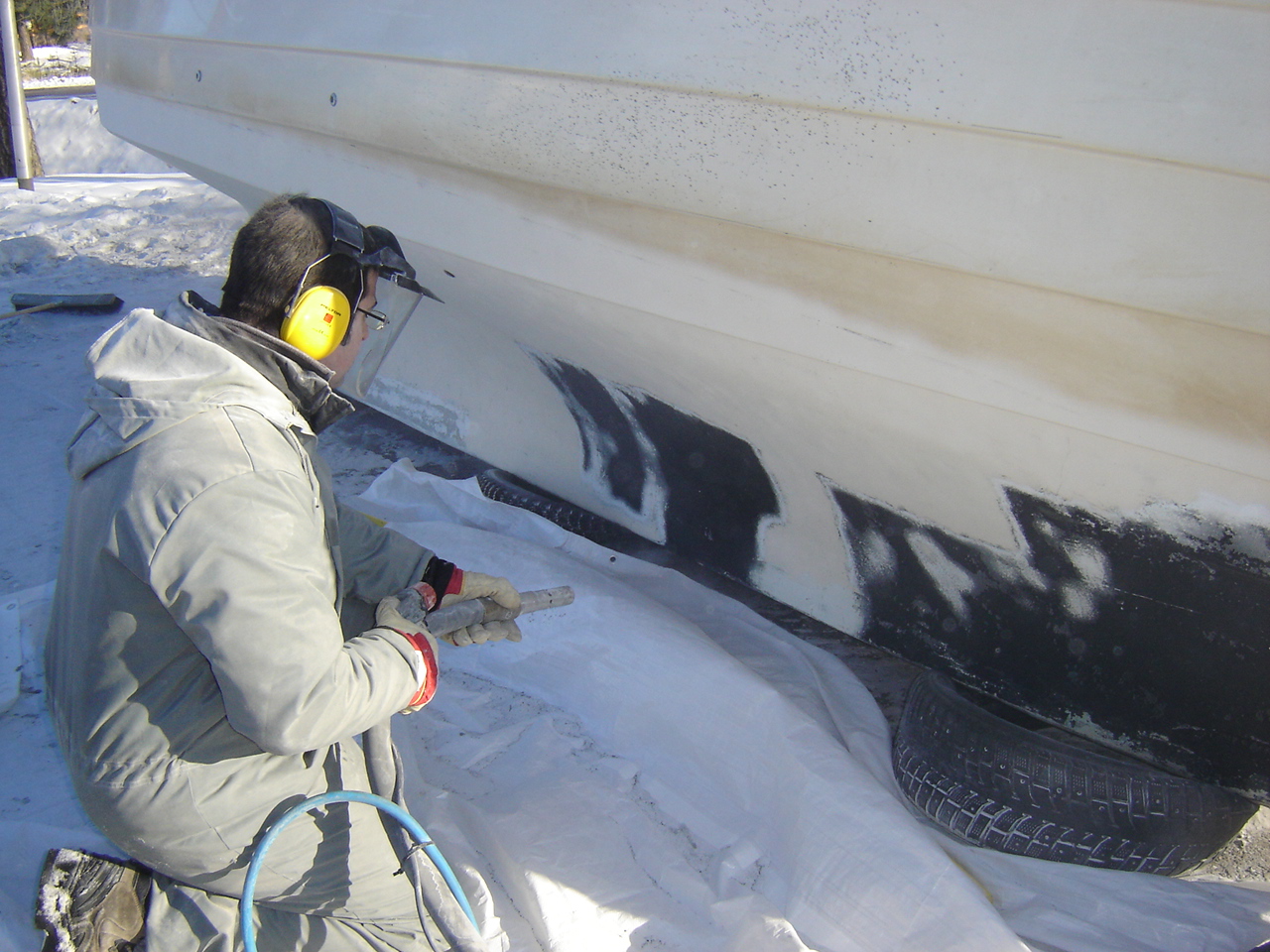
Shot blasting is a process where an abrasive material is propelled at high velocity towards the surface by mechanical force. This requires the right blasting equipment, suitable grit, careful preparation and a trained team to control the work and protect the surrounding areas of the vehicle.
When Does A Vehicle Need Shot Blasting?
A vehicle will often require shot blasting at key stages of its life, or when certain signs appear. Some of the most common situations include:
Before a full respray, to remove old paint and leave a clean, smooth surface for new coatings
During restoration of classic or historic vehicles, where old underseal, rust and filler must be removed
Before welding and structural repairs, so that clean metal is exposed and new material can bond properly.
When corrosion has spread under paintwork and simple sanding is no longer enough
After accident damage, where twisted or cracked coatings need to be stripped away so hidden issues can be seen
If your vehicle shows heavy rust on the arches, sills, chassis rails or subframes, or if the paint has failed in large areas, shot blasting is often required. It allows the specialist to remove loose material and contaminants, see the true condition of the metal, and start repairs from a solid base.
Shot blasting is also very common on commercial vehicles used in construction and heavy industry. These vehicles are often built with strong metals that face harsh conditions, so they benefit from regular preparation and re-coating to protect them.
Signs Your Vehicle May Require Shot Blasting
You may need shot blasting services if you notice:
Flaking or blistering paint that keeps coming back after basic preparation
Areas of rust that spread again soon after painting
Thick layers of old paint, filler or underseal that hide the original surface
Heavy dirt and debris stuck to the underside or inside wheel arches
Poor quality past repairs that are starting to crack or separate
In these cases, simple hand sanding will not remove all contaminants or damaged material. Shot blasting can remove old coatings, rust and dirt fully, ensuring the surface is properly cleaned before new work begins.
How Shot Blasting Prepares Vehicle Metal Surfaces
Metal components that have been manufactured are not always ready to use straight away. They often need welding, powder coating, specialist coatings or a coat of paint. Before any of these can be applied, the metal surface must be clean and keyed. Shot blasting is an essential preparation step for vehicle parts and body shells. It can:
Remove rust, scale and old coatings
Strip away grease, oil, dirt and other contaminants
Deburr sharp edges and smooth out light surface damage
Roughen the surface slightly to help new coatings stick
To make sure the new coat adheres to the part, this step is required. Shot blasting can get rid of impurities like grease or dirt and metal oxides such as rust or mill scale. It can also deburr the surface to make it smooth and consistent, which improves the finish and long-term quality of the work.
Once blasting is complete, the bare metal should be cleaned and then primed in a controlled time frame. This helps protect the material from flash rust and ensures a strong bond between the metal and any new coatings or paint.


The Shot Blasting Process For Vehicles
The process for vehicle shot blasting usually follows a clear set of steps:
Inspection and planning
The vehicle or part is inspected so the team understands the condition of the material, the type of damage and the result required. This helps them choose the right grit, pressure and technique.
Masking and preparation
Areas that must not be blasted, such as glass, trim or delicate components, are covered. This preparation stage is essential to protect the vehicle and control dust and debris.
Blasting stage
Abrasive material is fired at high velocity from the blasting equipment onto the surface. Different types of grit and media are used for different metals and surfaces, to avoid causing damage while still removing contaminants.
Cleaning and inspection
After blasting, the part is cleaned of dust and loose material. The bare metal is checked for cracks, hidden damage and any sections that require welding or further repairs.
Coating and painting
Once the surface is fully cleaned and prepared, coatings, primers and paint can be applied. Because the metal has been blasted, these layers can bond better, which can improve the life of the finish.
By following a clear process and using the right equipment, the team can prepare vehicle metals in a safe and efficient way, ensuring the material is ready for restoration, repairs or fresh paint.
Benefits Of Shot Blasting For Vehicles
Shot blasting offers many benefits for vehicles of all ages:
It provides a consistent, smooth surface across large areas of bodywork and chassis
It helps new coatings and paint bond more strongly to the material
It removes rust, old paint and stubborn contaminants that other methods may leave behind
It reduces the time needed for manual preparation, so the process is more efficient
It supports high quality welding and structural repairs by exposing sound metal
Because the surface is properly prepared, the final finish is more even and durable. This helps protect the vehicle from future corrosion, reduces the risk of early paint failure and can improve the overall look of the car or van.
Shot Blasting In Other Industries
Shot blasting is not only used on vehicles. It is widely used across a range of industries that rely on metals and other hard materials.
It is a fantastic advantage for many marine and nautical businesses. From commercial shipping to luxury sailing, shot blasting can clean and prepare large areas of metal, removing old coatings and surface damage. It is a rapid way to remove paint and prepare surfaces for fresh paint applications, which can reduce maintenance time and cost.
Shot blasting is also used in plants, silos and other industrial construction settings. It allows for the simple and complete preparation of big sheet metals like steel. It can even be used for aesthetic work on concrete, masonry and other materials, where a clean, textured finish is required.
In foundries and forges, shot blasting provides a way to clean workpieces and support the automobile industry at the component level. Before manufacture, many parts for private and commercial vehicles are shot blasted, from transmissions and engine parts to coach, bus and truck frames.
Professionals can also use heavier grades of shot to cut, abrade or process stone. This assists with the preparation, shaping and finishing of natural stone, granite and marble, while managing dust and debris and helping teams work safely without losing quality.

What Can Be Shot Blasted?
Shot blasting may be used on several different types of materials, but each item must be checked before it goes through the process for the first time.
Metals are strong and long-lasting, yet other abrasive methods can be slow or hard to control. Shot blasting is often the preferred method for steel and other metals because it can remove the top layer of material and any contaminants in one controlled process.
Delicate sandblasting usually does not have the force required to strip, peen or pre-treat these surfaces. Chemical treatments and custom methods can be very resource-heavy and may raise health and safety concerns. By choosing the right form of shot and grit size, a specialist can remove the top layer of material from an object without causing damage or producing excessive waste.
Concrete is another material that can be shot blasted with care. Concrete can suffer stains and aesthetic damage. Shot blasting done with the correct pressure can skim the top layer and create a smooth, clean finish. However, this needs to be watched closely because the wrong shot type or setting can cause chipping or cracking.
Some materials should never be shot blasted. High velocity metal shots can cause serious damage to softer materials. Wood is a common example. It can splinter, suffer structural damage and even trap metal shot in the surface, which is unsafe if the material later needs cutting or shaping.
What Is The Need For Shot Blasting?
Shot blasting is more than just cleaning. It is a controlled preparation process that improves both the appearance and performance of a material. By removing rust, old paint, dirt, dust and other contaminants, shot blasting allows new coatings to bond directly to sound metal or concrete.
This helps protect the material from future damage, so vehicles, structures and components can last longer and perform better. In many cases, shot blasting is required to meet industry or manufacturer standards for preparation. It is an essential step before certain coatings, paints and treatments can be applied, especially in environments where quality and reliability are critical.
When Is Shot Blasting Done?
Shot blasting is carried out whenever a material needs to be cleaned and prepared before further work. In the automotive world, this may be before:
Painting or powder coating
Structural or cosmetic welding
Underbody treatments or anti-corrosion coatings
Major restoration projects
A high-quality abrasive is discharged at the material at high velocity. This treatment removes flaws, corrosion, aesthetic damage and dirt from the top layer of the material. For example, shot blasting is used to remove the top layer of outdated or damaged materials so that new paint can be applied. It eliminates rust, time-related damage and layers of caked-on coatings. This can involve the treatment of a single object, such as a wheel, or entire vehicles, trailers or sheets of metal.

What Is The Difference Between Shot Blasting And Sandblasting?
No two surfaces are the same, so surface preparation methods must be chosen carefully. Within abrasive blasting, the two most common methods are sandblasting and shot blasting.
The terms are often used in a loose way because both are abrasive processes, but they use different media and suit different materials. In shot blasting, the abrasive used is a harder “shot”, often made from metals such as steel shot, aluminium oxide or carbon grit.
This is ideal for hard metal surfaces on vehicles and industrial structures. Shot blasting makes it simple to remove corrosion, scale or old paint and to prepare the surface for new coatings. Sandblasting, by contrast, usually uses softer abrasives such as glass beads, crushed glass or organic media.
In the past, silica sand was often used, which is where the name comes from, but this is now rare because of health risks related to dust.
Sandblasting is more suitable for softer or more delicate materials like wood, plastic, softer stone or thin metals that could deform under heavier impact.
For vehicle work, sandblasting might be chosen for light panels, trim pieces or items that need a gentler approach, while shot blasting is used for stronger sections such as chassis components and heavy brackets.
Choosing A Shot Blasting Provider
Because shot blasting involves powerful equipment and can affect the structure of your vehicle if done poorly, it is important to choose a specialist with the right experience. Look for:
A trained team who understand different materials and types of grit
Modern blasting equipment with proper dust and debris control
Clear processes for masking, preparation and aftercare
A full range of services, including coatings and painting, so the clean surface is protected quickly
A good provider will explain the process, discuss any risks and show how they will protect surrounding areas of the vehicle. This helps ensure that your vehicle is not only cleaned but also prepared to a high standard, improving the finish and helping to protect the metal in the long term.
Aftercare And Protection
Once shot blasting is complete, the bare metal should never be left exposed for long. Moisture in the air can cause rust to form in a short time, especially in our climate. The usual next steps are:
Cleaning the surface to remove remaining dust and loose grit
Applying a suitable primer or coating to protect the metal
Building up further coatings and paint to the required finish
By sealing the surface soon after blasting, you protect the material and ensure that the effort put into preparation is not lost. With the right aftercare, the new coatings can last for many years, keeping your vehicle looking smart and helping to protect it from future damage.
If you would like to know whether your vehicle requires shot blasting, or wish to discuss a restoration or repair project, you can contact Judd Paint Solutions. Their team can inspect the vehicle, advise on the most suitable process and help you achieve a durable, high quality finish.